

 By
By
Exploring why living in Barnet offers one of London’s best quality-of-life propositions for families and professionals alike.
Mention Barnet to most Londoners and they might struggle to place it on the map. This anonymity suits residents perfectly – while others chase trendy postcodes, Barnet quietly offers exceptional schools, abundant green space, solid transport links, and houses with actual gardens at prices that make sense. As North London’s largest borough, stretching from Golders Green to the Hertfordshire border, Barnet provides options for every life stage and budget. We’ve helped countless families discover what Barnet offers, and this guide shares those insights.
Why Barnet Works
Barnet succeeds by not trying too hard. No industrial heritage needs gentrifying, no artistic quarter requires cultivation. Instead, Barnet delivers what many London residents actually want – good schools, safe streets, reliable transport, and space to breathe. The borough encompasses 36 square miles, making it the fourth largest in London, yet maintains distinct communities rather than urban sprawl.
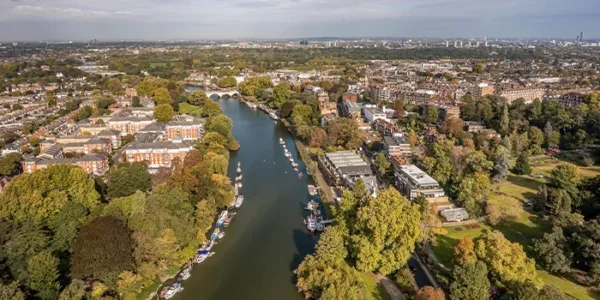
The statistics tell the story: over 200 parks and open spaces, some of London’s best state schools, three tube lines, and property prices significantly below comparable areas closer to central London. Add in one of the UK’s lowest crime rates and you understand why families dominate the demographic.
Exploring Barnet’s Communities
High Barnet
The historic heart sits atop Barnet Hill, where the famous battle ended the Wars of the Roses. Today’s High Barnet blends market town charm with London connections. The Tuesday and Saturday markets continue centuries-old traditions, while independent shops along the High Street resist chain dominance. The Northern Line terminus provides direct access to the City and West End.
Finchley
Split into North, Church End, and East divisions, Finchley offers established suburban living. North Finchley’s busy high road provides major shopping, while Church End maintains a village atmosphere. East Finchley, with its famous archer statue at the station, attracts younger buyers with its cafés and proximity to Hampstead Heath.
Mill Hill
This elevated area provides some of North London’s most substantial housing. Mill Hill Village retains historic character, while Mill Hill Broadway offers practical amenities and Thameslink connections. The prestigious Mill Hill School campus adds to the area’s educational reputation.
Golders Green
Barnet’s most cosmopolitan corner, Golders Green, serves as the heart of London’s Jewish community. Exceptional bakeries, kosher restaurants, and specialist shops create a unique atmosphere. The Northern Line station and numerous bus routes provide excellent connectivity.
Edgware
The borough’s commercial hub around a busy shopping centre and Northern Line terminus. More affordable than other parts of Barnet, Edgware attracts first-time buyers and young families. The diverse population supports restaurants offering authentic cuisines from across the globe.
Totteridge & Whetstone
These adjoining areas offer a mix of housing from Victorian cottages to modern mansions. Totteridge Village maintains an exclusive feel with its private roads and substantial properties, while Whetstone provides more accessible family housing around its tube station.
Hadley
Historic Hadley Wood and Hadley Highstone offer some of Barnet’s most prestigious addresses. Large houses on private roads attract those seeking discretion and space. The area borders Hadley Common, providing immediate access to protected green belt land.
Green Spaces and Recreation
Barnet’s parks rival any London borough. Hadley Common offers 165 acres of woodland and grassland, perfect for dog walking and nature spotting. Barnet Playing Fields provide extensive sports facilities, while Oak Hill Park features beautiful landscaping and a café.
Darlands Lake Nature Reserve offers surprising biodiversity, while Moat Mount Open Space provides 90 acres of former Green Belt land now open to the public. Golf enthusiasts enjoy multiple courses including the prestigious Hadley Wood and Mill Hill clubs.
The Dollis Valley Greenwalk follows the brook for 10 miles through the borough, while the Pymmes Brook Trail offers another long-distance path. These linear parks provide car-free routes for walkers and cyclists.
Educational Excellence
Barnet’s schools drive many family moves to the area. Queen Elizabeth’s School in Barnet consistently ranks among England’s top state schools, though admission remains highly competitive. The Henrietta Barnett School offers girls’ grammar education of exceptional quality.
Comprehensive schools excel too – Mill Hill County High, East Barnet School, and Finchley Catholic High achieve results many private schools would envy. Primary schools like Courtland, Brookland, and Garden Suburb maintain outstanding ratings.
Private options include Mill Hill School (boarding and day), Belmont, and North London Collegiate just outside the borough. The concentration of excellent schools creates fierce competition for places and significantly impacts property prices in catchment areas.
Transport Links
Three Northern Line branches serve Barnet – High Barnet, Mill Hill East, and the Edgware branch. Journey times to central London range from 30-40 minutes. The Thameslink serves Mill Hill Broadway, offering useful connections to St Pancras and beyond.
Numerous bus routes connect neighbourhoods and provide links to areas without stations. The proximity to the M1, A1, and North Circular makes Barnet practical for those needing road access, though parking at stations can prove challenging.
One advantage – Barnet’s position at the end of tube lines means getting a seat in the morning is actually possible, unlike stations closer to central London.
Local Life and Shopping
Each area maintains distinct shopping provision. The Spires in High Barnet offers covered shopping with major retailers and independents. North Finchley High Road provides extensive shopping including a Waitrose and M&S. Brent Cross Shopping Centre, technically just outside Barnet, remains a regional destination.
Local markets add character – Barnet Market’s 1000-year history makes it one of England’s oldest, while smaller markets in North Finchley and Edgware serve local communities. Farm shops in rural areas offer local produce.
Entertainment tends toward the local – numerous pubs (many with gardens), local theatres like the Bull Theatre in Barnet, and community centres hosting events. Those seeking nightlife head central, though local restaurants increasingly offer sophisticated dining.
The Property Market
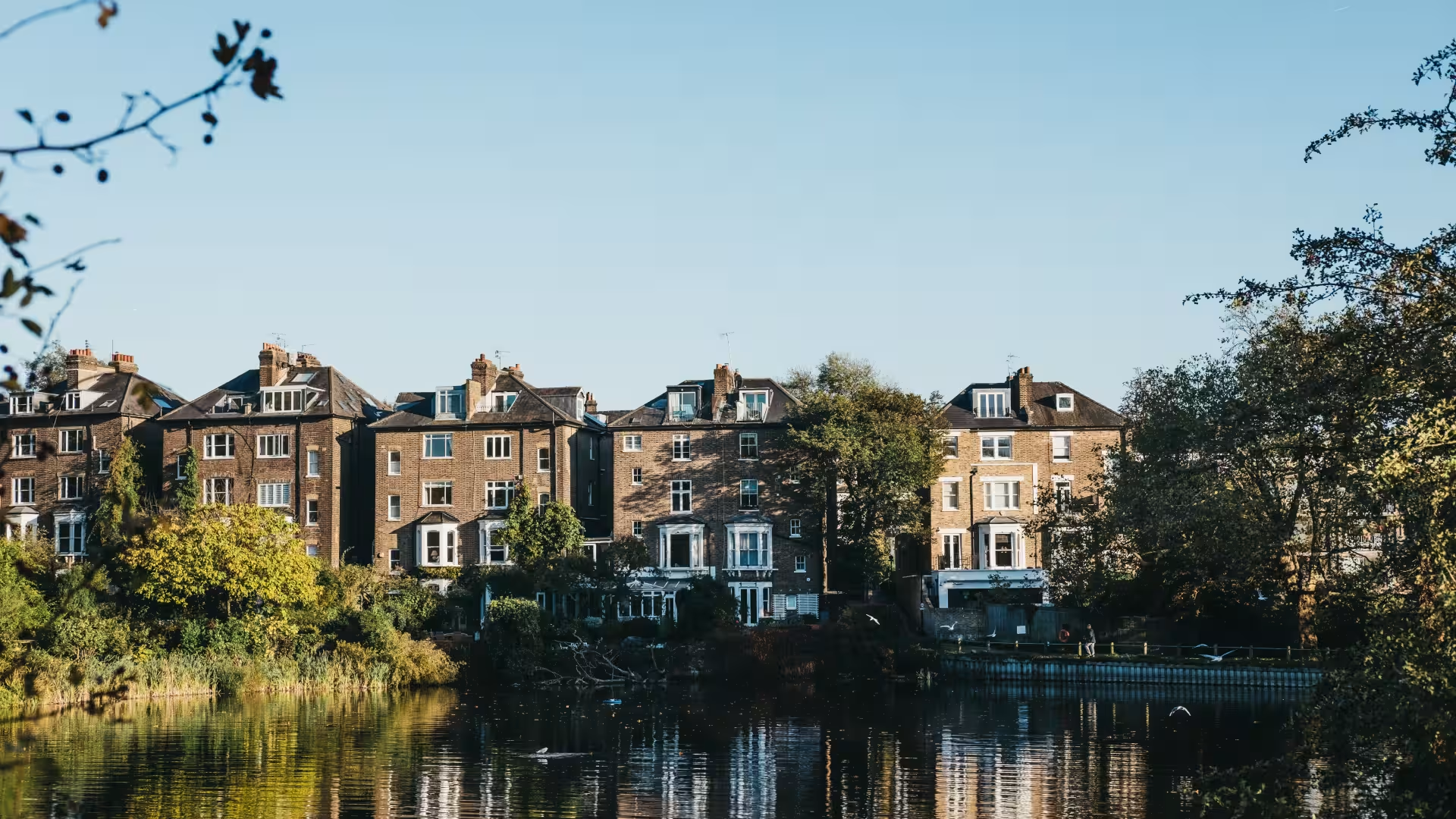
Barnet’s housing varies enormously. Victorian and Edwardian houses dominate areas like Finchley and New Barnet. 1930s suburbia characterises much of Edgware and parts of Mill Hill. Post-war development added variety, while new builds continue appearing, particularly around transport nodes.
Prices span a wide range – from ex-council flats in Burnt Oak to mansions in Totteridge. Family houses in good school catchments command premiums but remain cheaper than equivalent properties in Hampstead or Highgate. Gardens, driveways, and garages come as standard in many areas – luxuries in more central locations.
The market moves steadily rather than dramatically. Families tend to stay long-term, creating stable communities but limiting supply. First-time buyers often start in areas like Edgware before moving up within the borough.
Community Character
Barnet communities maintain distinct identities. Residents’ associations remain active, particularly in conservation areas. Local Facebook groups buzz with neighbourly exchanges from recommended plumbers to lost cats. The borough’s size means communities feel more like separate towns than parts of London.
Faith communities thrive – numerous synagogues serve Jewish populations, churches of every denomination flourish, and mosques, temples, and gurdwaras reflect growing diversity. These institutions often provide community focal points beyond religious services.
Sports clubs abound – from Barnet FC (recently returned to the Football League) to countless cricket, tennis, and bowling clubs. Youth organisations like Scouts and Guides remain popular, reflecting the family demographic.
Daily Life in Barnet
Living in Barnet means embracing suburban rhythms. Weekends revolve around family activities – sports clubs, parks, and shopping trips. The school run dominates weekday mornings. Commuters develop tube strategies (which carriage positions best at their destination) and many appreciate the journey time for reading or work preparation.
Social life tends toward the local – dinner parties rather than nightclubs, pub gardens rather than cocktail bars. Many residents barely venture into central London for months, finding everything needed locally. This self-sufficiency surprises those expecting dormitory suburb anonymity.
Practical Considerations
Barnet life requires adjustments. Public transport works well for central London but cross-borough journeys often need cars. The borough’s size means some areas feel isolated – check specific locations carefully. Some neighbourhoods lack character, offering functionality over charm.
Council services generally work well, though bin collections and parking regulations generate usual complaints. GP surgeries vary in quality – research health provision in specific areas. The lack of nightlife and limited cultural provision might frustrate those seeking urban stimulation.
Who Thrives in Barnet
Barnet particularly suits families prioritising education and space. The combination of excellent schools, affordable family housing, and safe environments proves irresistible to many. Commuters appreciate the tube connections and possibility of seats. Those seeking value find property prices refreshing compared to zones 2 and 3.
The area attracts professionals who’ve graduated from flat-sharing to seeking gardens and good schools. Many arrive for practical reasons but stay because they enjoy the lifestyle. Communities welcome rather than exclude newcomers, particularly those with children who quickly make connections through schools.
Future Outlook
Barnet’s future appears stable rather than transformational. Planned developments focus on transport hubs, particularly around Colindale and Brent Cross. The new Brent Cross West station improves connectivity. Protection of green belt land limits expansion, maintaining the space that attracts residents.
School places remain under pressure from population growth. Transport infrastructure needs investment to maintain service levels. However, Barnet’s fundamental attractions – space, schools, safety – seem secure.
Choosing Barnet
After decades helping people move to Barnet, patterns emerge. Young couples often dismiss it as “too suburban” before returning five years later with children and different priorities. Those who try Barnet “temporarily” for schools often stay permanently. The borough rewards those who engage with communities rather than seeing it merely as dormitory accommodation.
Success means choosing the right area within Barnet – the borough’s size creates significantly different experiences. High Barnet suits those wanting a market town character. Finchley offers established communities. Mill Hill provides prestige. Edgware gives value and diversity.
Visit thoroughly – morning commutes, weekend shopping, school runs reveal reality. Talk to locals in cafés and pubs. Join online forums to understand community dynamics. Barnet might lack glamour, but it delivers something arguably more valuable – a genuinely liveable slice of London life.
Chess Move Deliveries has served the Barnet area for over 25 years. We know every neighbourhood, every challenge, and exactly how to navigate those narrow roads in Totteridge. Contact us for your free moving quote.