


 By
By
Thinking about relocating to North London? Discover why this diverse region continues to attract everyone from young professionals to growing families.
North London means different things to different people. For some, it’s the bohemian streets of Hampstead and Highgate. For others, it’s the suburban comfort of Barnet or the cultural melting pot of Tottenham. This remarkable diversity across North London’s boroughs and neighbourhoods creates a region where almost anyone can find their perfect home. Having moved thousands of residents across North London over the past 30 years, we’ve created this guide to help you navigate your options.
Understanding North London
Traditionally, North London encompasses everything north of the Thames up to the M25, but most people focus on the inner and outer zones that offer the best of London living. The area includes established boroughs like Islington, Camden, Haringey, Barnet, and Enfield, each containing multiple neighbourhoods with distinct personalities.
What unites these areas? Excellent transport links via the Northern and Piccadilly lines, a strong sense of community, outstanding parks and green spaces, and property options that range from studio flats to substantial family homes. North London also benefits from some of the capital’s best schools and a rich cultural scene that extends far beyond central London.
Major Areas and Their Character
Hampstead & Highgate
These hilltop villages represent North London at its most prestigious. Hampstead Heath provides a wild oasis in the city, while both areas maintain a village atmosphere with independent shops, cosy pubs, and some of London’s most expensive real estate. Residents include established professionals, celebrities seeking privacy, and families who value education and green space.
Islington & Clerkenwell
Once working-class areas transformed into some of London’s most desirable postcodes. Upper Street buzzes with restaurants and bars, while Clerkenwell attracts creative industries. Angel station provides excellent connections, and the area offers everything from converted warehouses to Georgian terraces.
Muswell Hill & Crouch End
These neighbouring areas epitomise middle-class North London living. Neither has a tube station (though this keeps them slightly more affordable), but both offer strong communities, excellent local shops, and a family-friendly atmosphere. The views from Alexandra Palace are spectacular.
Stoke Newington
“Stokey” maintains an alternative edge with independent cafés, vintage shops, and Clissold Park at its heart. The area attracts creative types and young families who appreciate its village feel and relatively central location without tube access keeping prices lower.
Finchley & Golders Green
These established suburbs offer great transport links, good schools, and more space for your money. Golders Green has a thriving Jewish community with excellent bakeries and restaurants, while Finchley provides solid family housing with easy access to both countryside and city.
Tottenham & Wood Green
Rapidly changing areas offering some of North London’s best value. The new stadium has accelerated Tottenham’s transformation, while Wood Green’s shopping city and cultural diversity make it increasingly popular with younger buyers priced out of more central areas.
Transport Networks
North London benefits from extensive transport options. The Northern Line splits into two branches serving areas from Archway to Barnet. The Piccadilly Line runs through from Arsenal to Cockfosters. The Victoria Line connects Tottenham and Seven Sisters to central London in minutes.
Overground services have transformed areas like Stoke Newington and Crouch Hill, previously isolated from the tube network. Meanwhile, National Rail services from stations like Alexandra Palace and New Southgate provide alternative routes into King’s Cross and Moorgate.
Bus routes crisscross the region, with many 24-hour services. The North Circular (A406) provides a vital east-west road link, though it’s best avoided during rush hour.
Green Spaces Galore
North London excels in providing breathing space. Hampstead Heath offers 800 acres of ancient woodland and meadows, with swimming ponds and Parliament Hill’s panoramic views. Alexandra Park surrounds the palace with 196 acres including a boating lake and pitch-and-putt course.
Finsbury Park hosts festivals and provides sports facilities, while Clissold Park in Stoke Newington offers a more intimate green space with a café and animal enclosures. Highgate Wood and Queen’s Wood provide ancient woodland walks minutes from busy roads.
Further north, Trent Country Park in Barnet offers 413 acres of countryside within London, while numerous golf courses, playing fields, and smaller parks ensure you’re never far from green space.
Educational Excellence
North London houses some of the capital’s finest schools. Highgate School and University College School lead the independent sector, while grammar schools like Queen Elizabeth’s Boys in Barnet and Latymer maintain exceptional standards.
State comprehensives including Fortismere in Muswell Hill and Camden School for Girls achieve results that match many fee-paying schools. Primary schools across the region regularly receive Outstanding ratings, though catchment areas for the best schools significantly impact property prices.
The area also benefits from proximity to major universities – UCL, City University, and Middlesex University all have North London campuses.
Cultural Life
North London’s cultural offering extends far beyond the centre. Alexandra Palace hosts everything from darts championships to food festivals. Kings Place in King’s Cross provides world-class music venues. The Roundhouse in Camden remains a legendary performance space.
Smaller venues like the Union Chapel in Islington and Jackson’s Lane in Highgate offer intimate performances. Art lovers enjoy the Zabludowicz Collection in Chalk Farm and numerous smaller galleries in areas like Crouch End and Stoke Newington.
Food Scene
North London’s dining reflects its multicultural population. Green Lanes offers Turkish and Kurdish restaurants stretching for miles. Golders Green provides authentic Jewish delis and restaurants. Drummond Street near Euston specialises in South Indian vegetarian cuisine.
Beyond ethnic enclaves, neighbourhoods like Primrose Hill, Hampstead, and Islington host restaurants that regularly appear in critics’ recommendations. Local pubs range from gastropubs winning awards to traditional boozers unchanged for decades.
Farmers’ markets have proliferated – Parliament Hill, Alexandra Palace, and Walthamstow all host popular weekend markets focusing on local produce.
Shopping Destinations
Each area maintains distinct shopping personalities. Upper Street in Islington offers high street chains mixed with independent boutiques. Crouch End and Muswell Hill specialise in independent shops selling everything from vintage clothing to artisan cheese.
Brent Cross provides major department stores and chains for serious shopping trips. Wood Green Shopping City offers value retail, while areas like Hampstead and Primrose Hill feature luxury boutiques for those with deeper pockets.
Property Market Overview
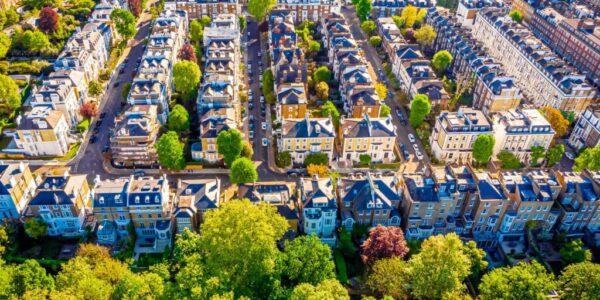
North London’s property market offers remarkable diversity. Georgian and Victorian terraces dominate inner areas like Islington and Camden. Edwardian houses become more common in areas like Muswell Hill and Crouch End. The outer reaches feature 1930s suburbs with larger gardens.
Prices vary enormously – a one-bedroom flat in Hampstead might cost the same as a four-bedroom house in Tottenham. Generally, proximity to tube stations, school catchment areas, and the condition of period features most influence prices.
New developments continue to appear, particularly around transport hubs and former industrial areas. These offer modern specifications and often better energy efficiency than period properties, though usually at premium prices.
Community Spirit
Despite London’s reputation for anonymity, North London maintains strong communities. Residents’ associations remain active, local festivals bring neighbours together, and independent shops create focal points for interaction.
Areas like Stoke Newington and Crouch End particularly pride themselves on community involvement. Local forums and social media groups buzz with activity, from recommending tradespeople to organising street parties.
Practical Considerations
Living in North London requires some adjustments. Parking can be challenging in inner areas – many streets require permits and spaces remain limited. Council tax varies significantly between boroughs. Some beautiful period properties hide expensive maintenance requirements.
The north-south divide remains real in some residents’ minds – those living north may find friends south of the river reluctant to visit! Rush hour tubes get extremely crowded, particularly the Northern Line. Property prices, while lower than some central areas, still require significant budgets.
Making the Right Choice
Choosing where in North London to live depends on priorities. Young professionals might prefer Islington’s nightlife and connections. Families often gravitate towards Muswell Hill or Finchley for schools and space. Creative types find communities in Stoke Newington or Crouch End.
Budget obviously plays a crucial role. Those seeking value might look at Tottenham or Edmonton, while Hampstead and Highgate suit those prioritising prestige and willing to pay for it.
Visit areas multiple times – morning commutes, weekend afternoons, and Friday nights reveal different aspects. Talk to locals, explore beyond main streets, and imagine your daily routine in each location.
The North London Lifestyle
Living in North London offers a particular rhythm. Weekend mornings might involve browsing farmers’ markets or walking the Heath. Evenings could mean local theatre or dinner at a neighbourhood restaurant you can walk to. The proximity to both central London and genuine countryside provides options many find ideal.
The region attracts those who want London opportunities without sacrificing quality of life. Whether that means good schools for children, space for home working, or simply a garden to tend, North London provides options increasingly rare elsewhere in the capital.
Looking Forward
North London continues evolving while maintaining its essential character. Transport improvements like Crossrail 2 (if it happens) would transform accessibility. Regeneration projects in areas like Tottenham and Wood Green offer opportunities for buyers willing to invest in emerging areas.
Climate awareness drives improvements in cycling infrastructure and green initiatives. Community energy projects, farmers’ markets, and sustainable living initiatives flourish in North London’s engaged communities.
Your Move to North London
After three decades helping people relocate across North London, we’ve learned that success lies in finding the right match between area and lifestyle. The teenager who loved Camden’s energy might later seek Muswell Hill’s calm for raising their own children. The couple who started in a Tottenham flat might eventually move to a Barnet house with a garden.
North London accommodates these life changes better than most regions, offering progression without requiring complete upheaval. That’s why so many who move here for work or study end up staying for decades, becoming part of the communities that make North London special.
Chess Move Deliveries has been serving North London since 1998. From Hampstead mansions to Tottenham flats, we know every street and challenge. Contact us for expert moving services and local insights.